

Hosting UK Supply Chain Resilience Week — A Milestone for BCCSC and UK-China Trade
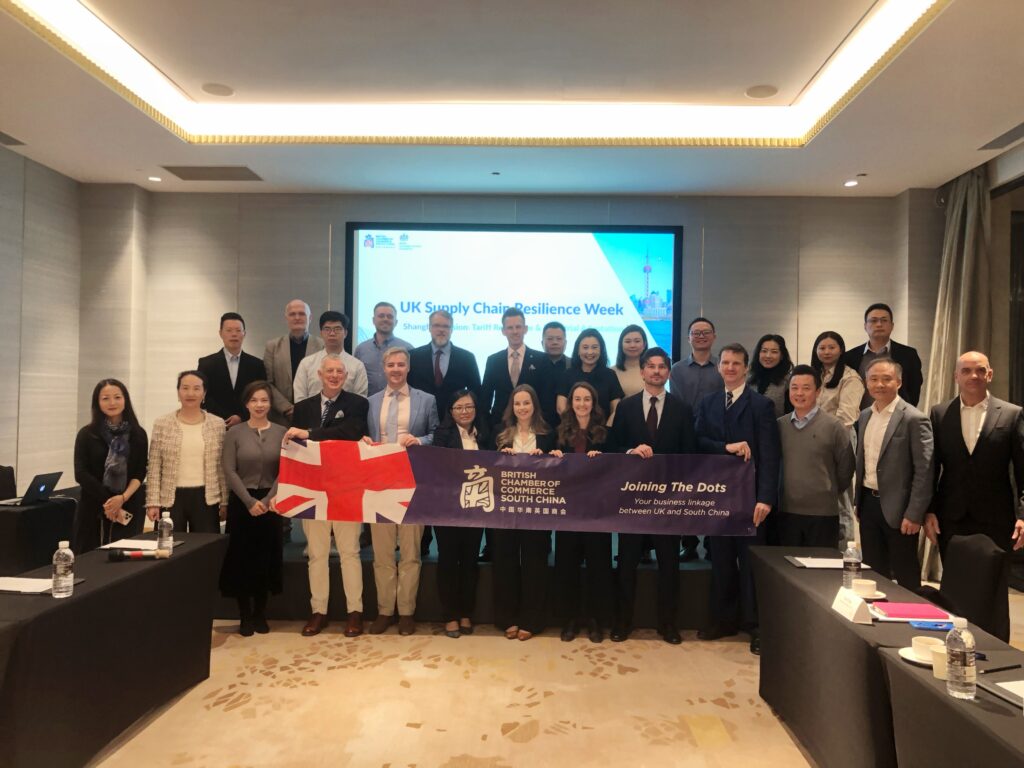
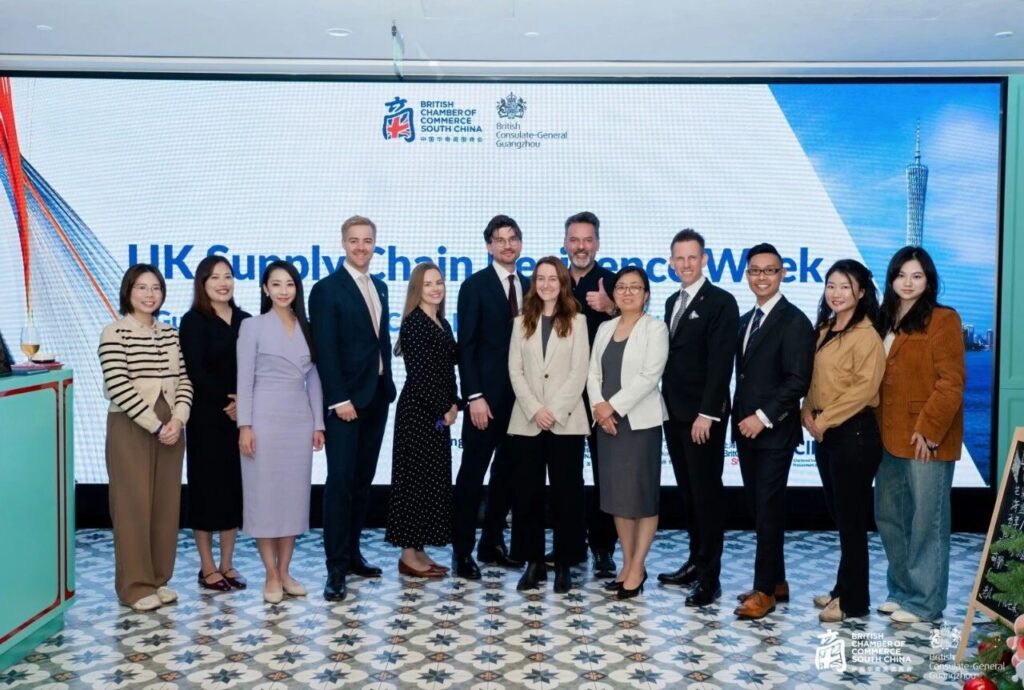
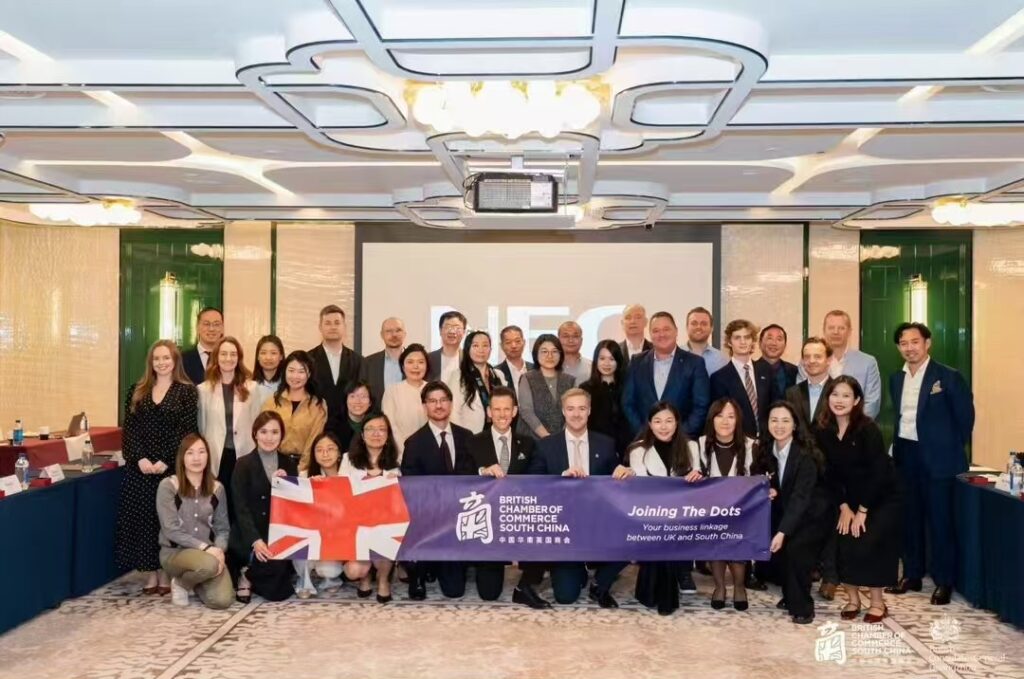
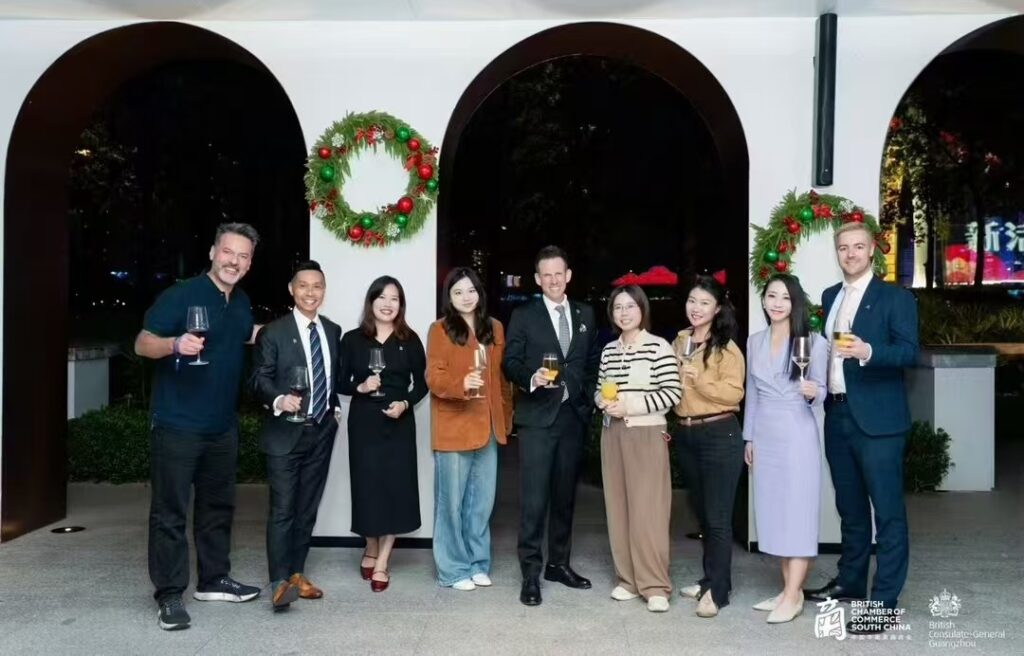
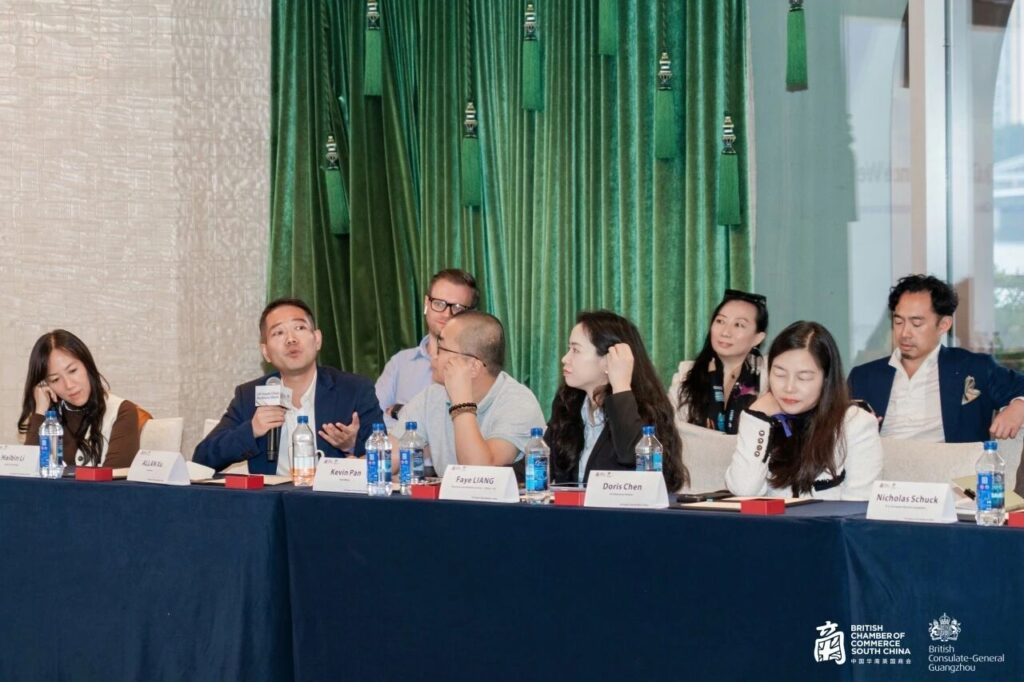
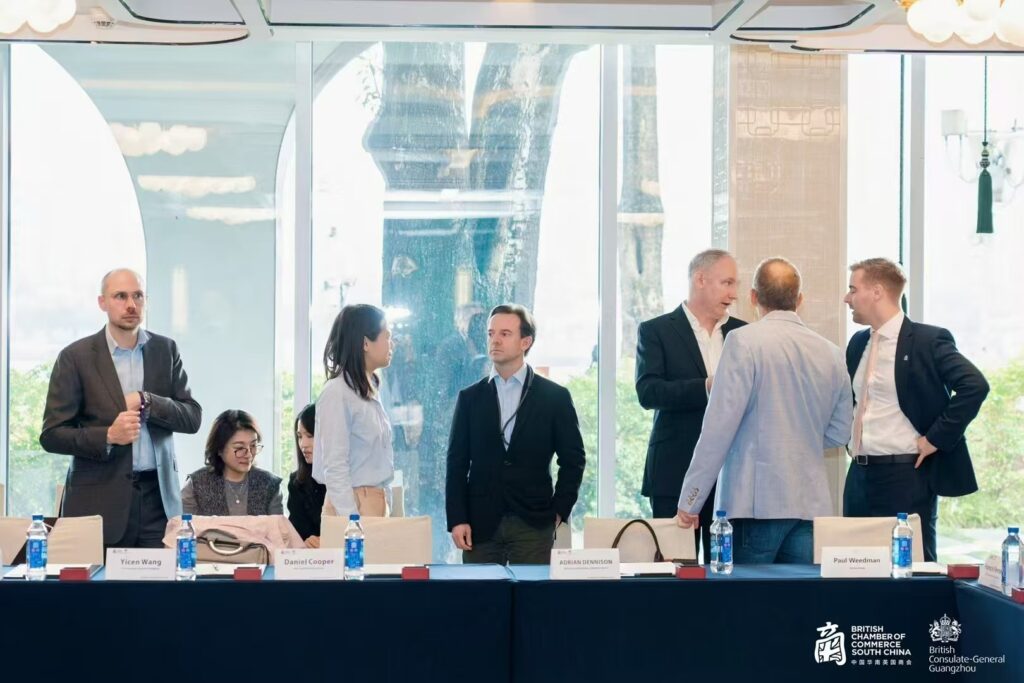
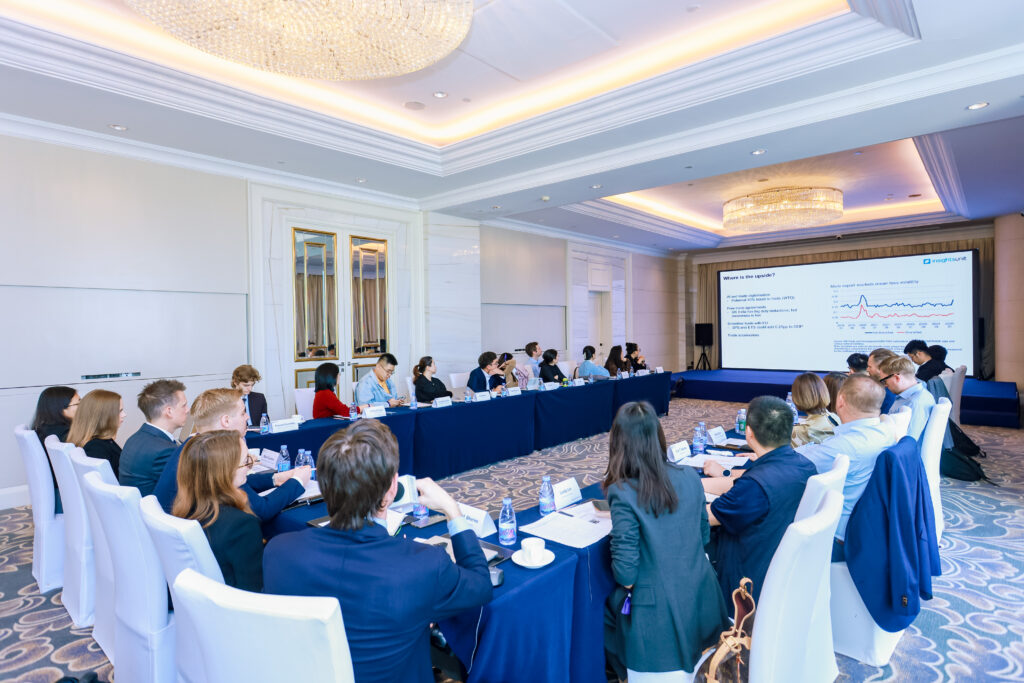
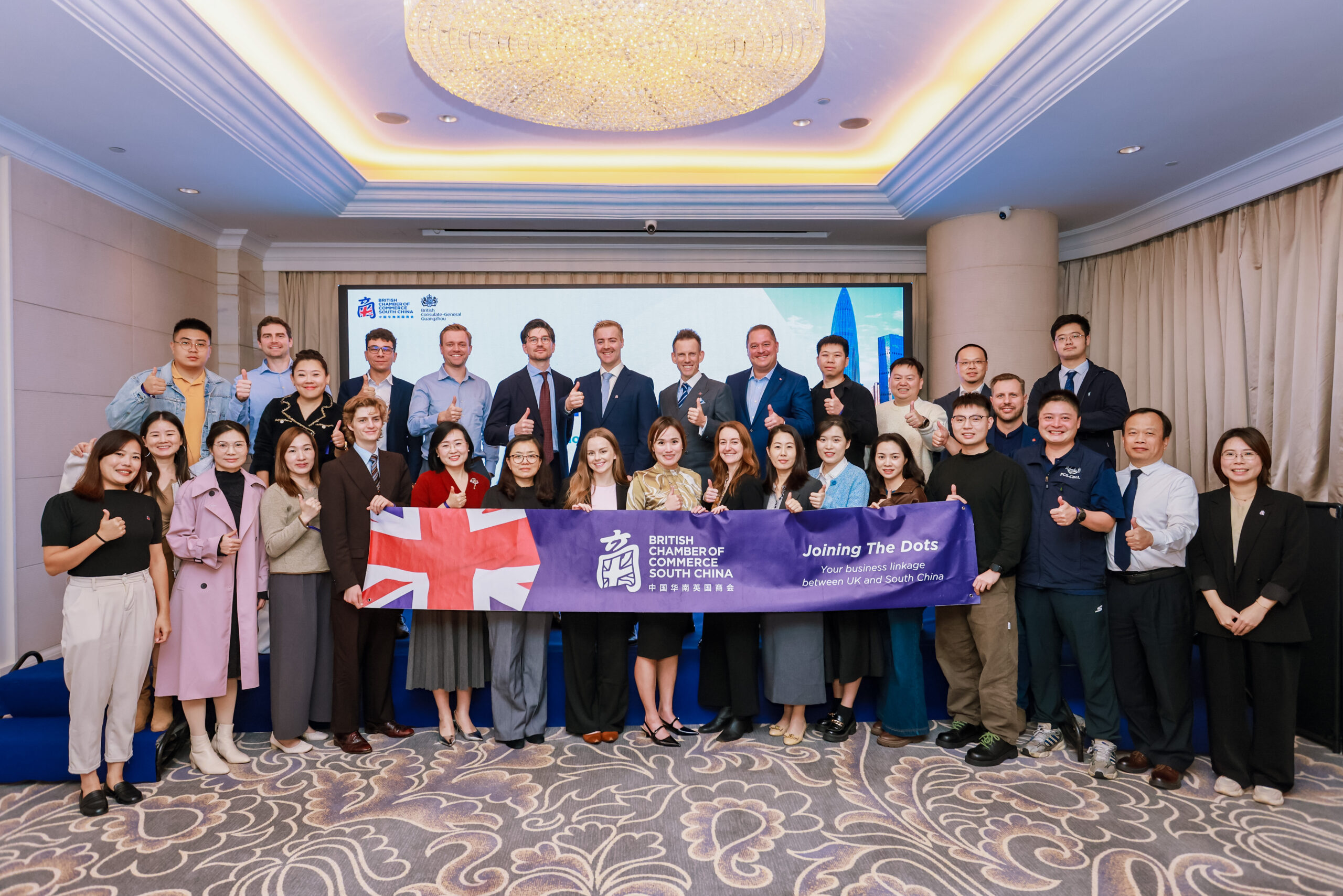
In December 2025, the British Chamber of Commerce South China had the honour of hosting the UK Supply Chain Resilience Week — a five-day programme spanning Shenzhen, Guangzhou, and Shanghai, delivered in partnership with the UK Department for Business and Trade and the British Chambers of Commerce.
This was a significant moment. Supply chain resilience has moved from a niche logistics topic to one of the central questions in UK economic and trade policy — and this week placed BCCSC, and South China, at the heart of that national conversation.
The UK Delegation
The week was led by a high-calibre delegation from the UK:
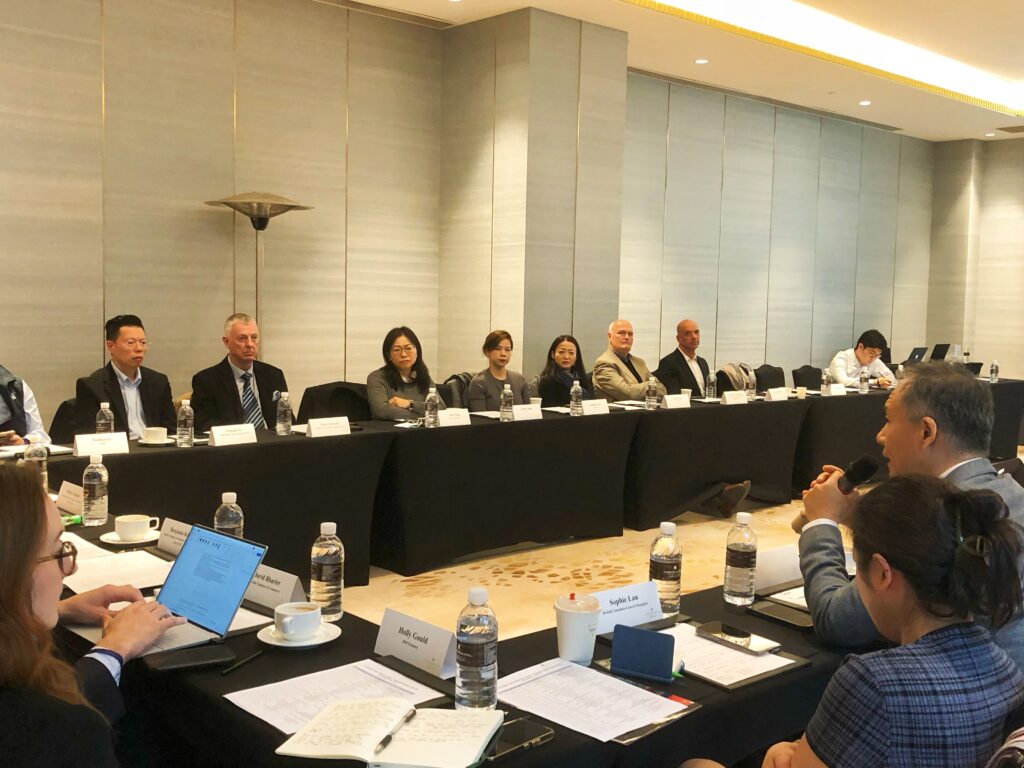
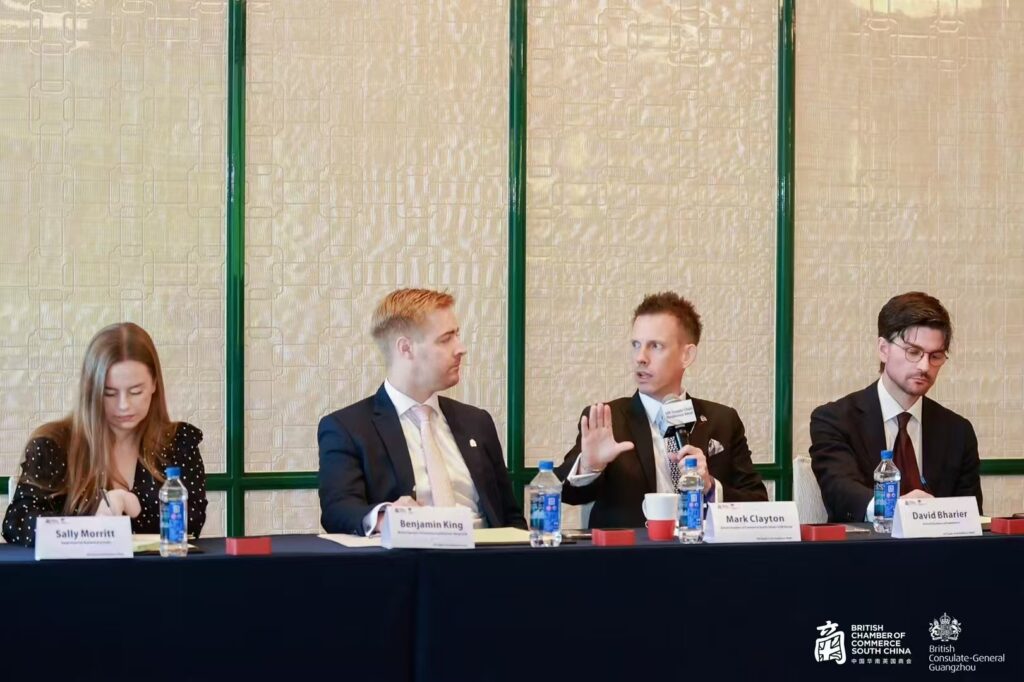
- Sally Morritt — International Coordination Lead, Supply Chain Resilience, Department for Business and Trade
- Holly Gould — Senior Policy Adviser, Growth & Security, HM Treasury
- David Bharier — Head of Research, British Chambers of Commerce
- Professor Jun Du — Aston Business School
Their presence underscored the seriousness with which the UK Government is approaching supply chain diversification, resilience, and the UK-China trade relationship at a time of significant geopolitical and economic complexity.

Five Days, Three Cities
The programme was structured around three thematic workshops, each anchored in a different city:
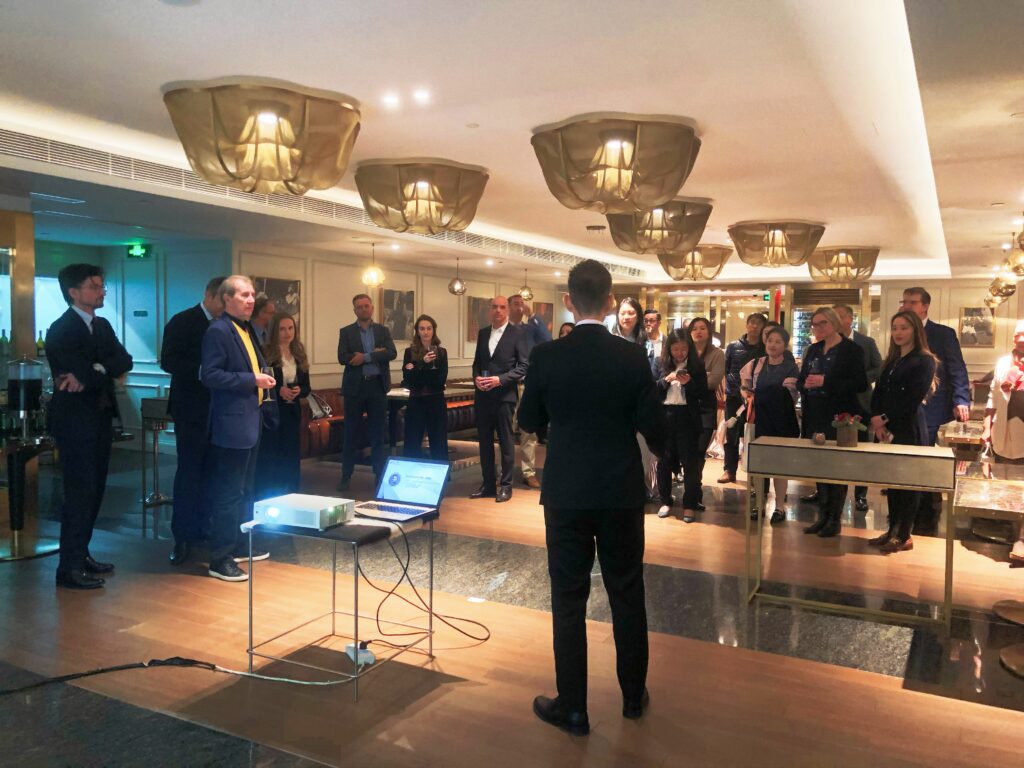
Shenzhen — Logistics & Cross-Border Ecosystems (1 December) The week opened with a guided tour of Yantian International Container Terminal — one of the world’s busiest container ports — followed by a workshop examining China’s logistics value chain, cross-border economic zones, the impact of US de minimis policy changes, and regional customs variations. The evening closed with a networking reception bringing together BritCham South China members and supply chain industry guests at The Langham Shenzhen.
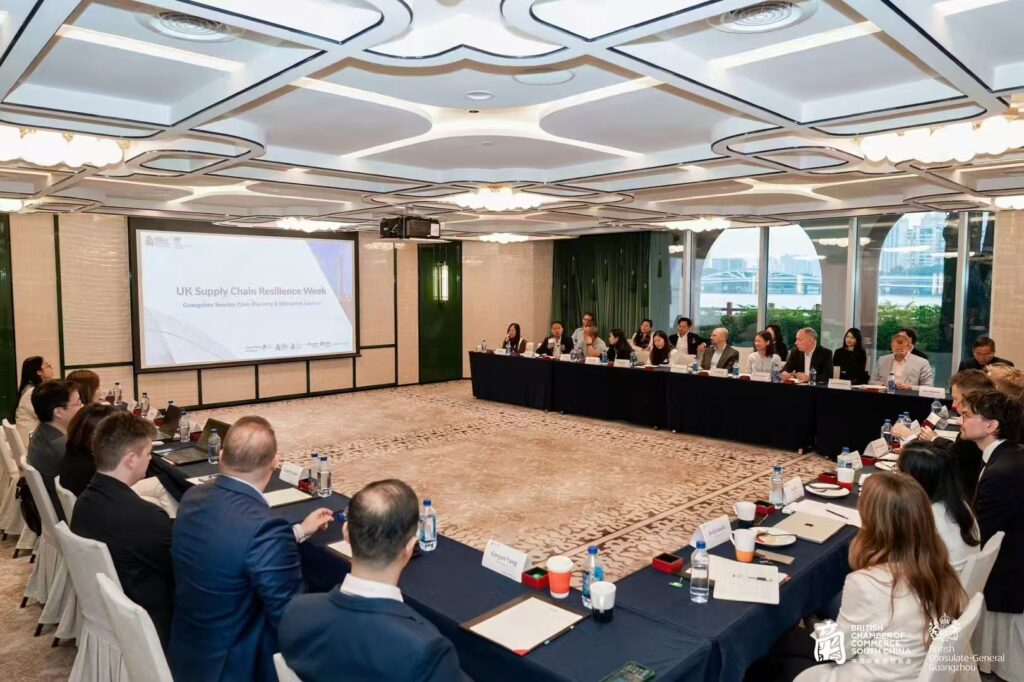
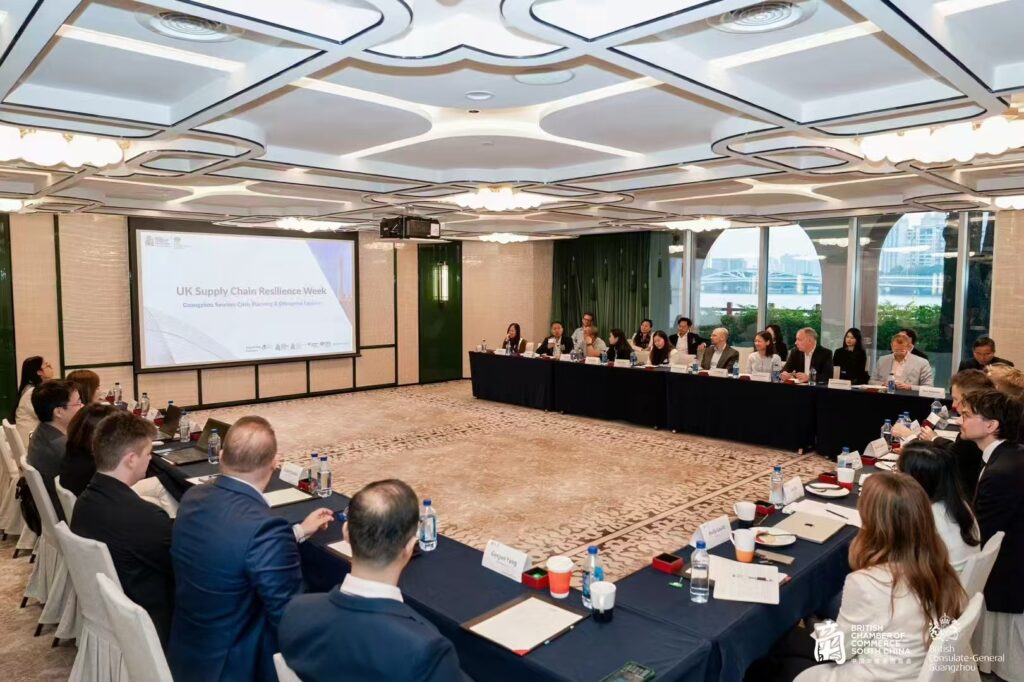
Guangzhou — Crisis & Disruption (3 December) Day three focused on lessons learned from the major supply chain disruptions of recent years — from COVID-era shutdowns to Middle East shipping instability to the accelerating impact of tariffs and geopolitical shocks. The delegation also visited Honor’s manufacturing facility in Guangzhou, gaining first-hand insight into how a leading Chinese electronics manufacturer approaches supply chain resilience and diversification.
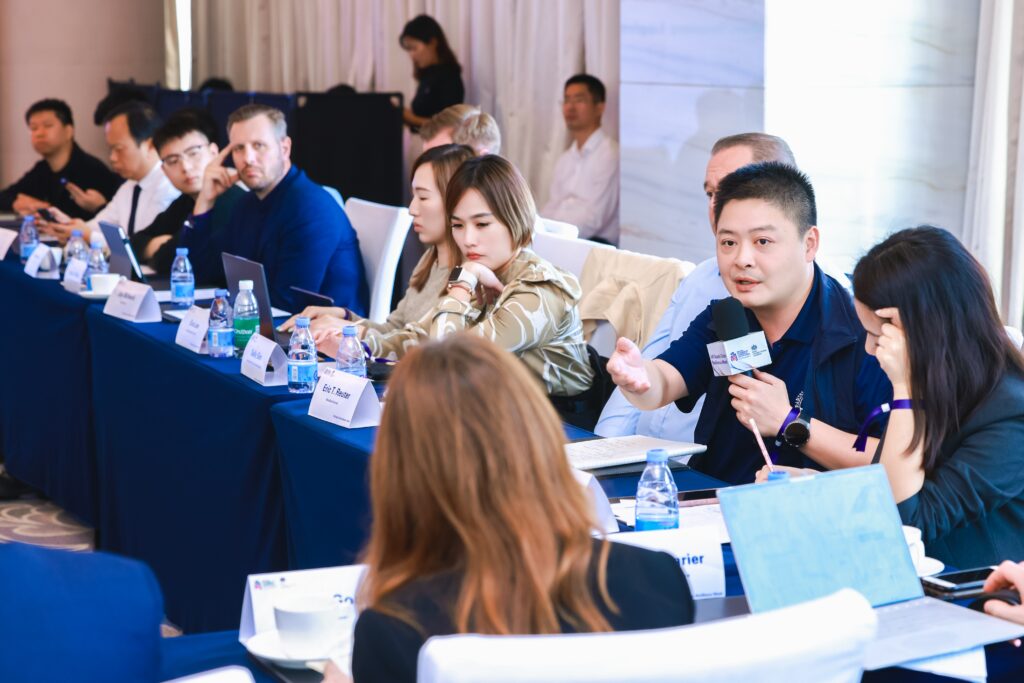
Shanghai — Tariff Resistance & China’s Industrial Adaptation (5 December) The week concluded in Shanghai with the most policy-relevant session of the programme — examining how tariffs are reshaping UK-China supply chains, how China’s industrial strategies are adapting, and what this means for UK importers and buyers. I was invited to speak as an industry expert in this session, drawing on over two decades of manufacturing and supply chain experience in China to contribute a practitioner’s perspective to the policy conversation.
Why This Week Mattered
I have been involved in UK-China business for over 20 years. I have watched supply chains evolve from a background operational concern to a geopolitical flashpoint — and I have seen British businesses both thrive and struggle depending on how well they understood the ecosystem they were operating in.
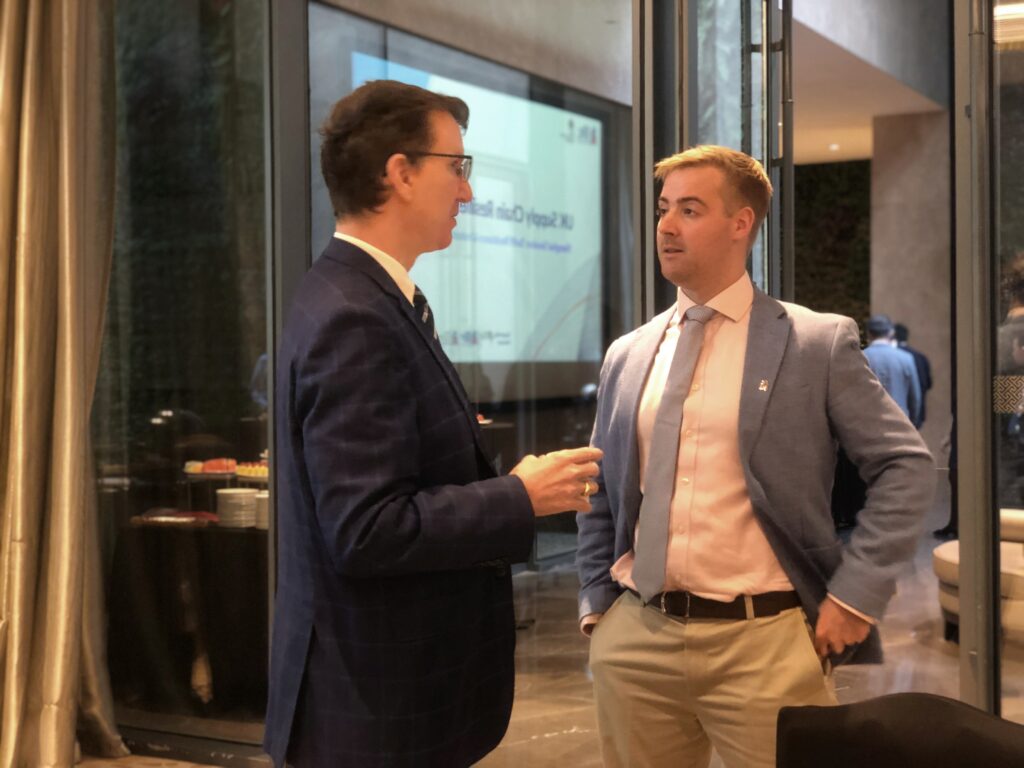
Hosting this week for BCCSC felt meaningful precisely because it positioned the Chamber — and South China — not just as a regional trade body, but as a genuine contributor to UK national trade policy thinking. The conversations that took place across those five days, between UK government officials, academic researchers, and businesses on the ground in China, are exactly the kind of exchange that shapes better decisions on both sides.
The UK’s supply chain resilience is not just a logistics problem. It is a relationships problem. And building those relationships — between UK institutions and the businesses, ports, manufacturers, and governments that make supply chains work — is what this week was about.
Mark Clayton FCMA CGMA CPA — Group CFO, C2W Group | Chairman, British Chamber of Commerce South China | Host & Speaker, UK Supply Chain Resilience Week 2025